The PROFIBUS protocol emerged in the 1980s as a result of collaboration between the government, companies, and leaders of the German industry, with the goal of implementing an automation solution in industrial environments.
It is a protocol that has become a standard and is used in a wide variety of industrial processes due to all the benefits it provides.
At Advantecnia, we help you improve your business with modern and innovative management and communication solutions for the healthcare and hospital sector.
Contenidos
What is the PROFIBUS protocol?
PROFIBUS (Process Field Bus) is a set of communication protocols used in industrial automation that has become one of the most popular standards for connecting and controlling devices in an industrial network.
It is based on a fieldbus architecture that enables real-time communication between devices using a single communication cable. In addition, it provides a common interface for different types of devices, such as sensors, actuators, process controllers, remote I/O units, among others.
Some of the most commonly used PROFIBUS protocol types are:
- FMS. A standard universal communication solution that enables complex communication tasks between programmable logic controllers (PLCs) and distributed control systems (DCS).
- DP. A high-speed system focused on communication in automated systems with decentralized equipment.
- PA. Facilitates control and measurement using one or two individual cable lines, while simultaneously powering the connected equipment.
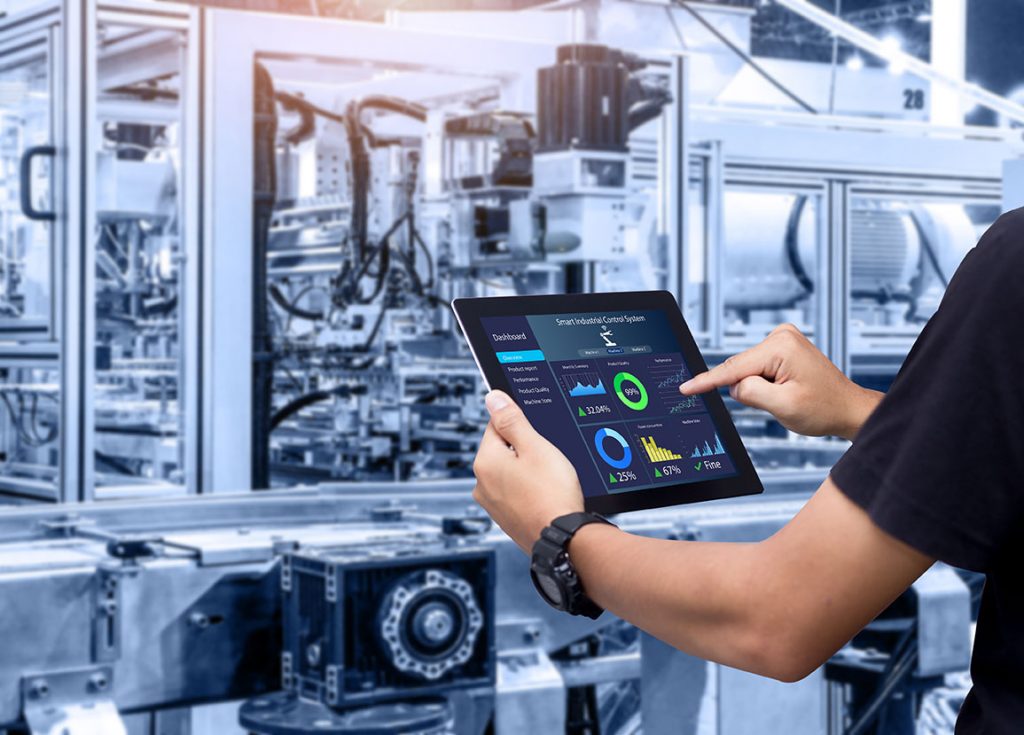
How does the PROFIBUS protocol work?
The PROFIBUS protocol is an intelligent fieldbus technology that enables efficient communication between devices connected to a central line. It is based on the OSI model and uses three separate layers: the application layer, the data link layer, and the physical layer.
- Application layer, where different types of messages are managed, such as cyclic and acyclic data exchange, diagnostics, alarm management, and isochronous messages.
- Data link layer, which is completed through a fieldbus data link (FDL) that combines the master-slave methodology and token passing. In these systems, masters send requests to slaves such as sensors and actuators, which respond, while communication between nodes is controlled by tokens, and only the node holding the token can communicate.
- Physical layer, which can use different types of transmission media (twisted pair cabling, RS485, fiber optics, or enhanced safety systems such as MBP or Manchester Bus Power).
The PROFIBUS protocol enables efficient communication between devices on a fieldbus, using the OSI model with application, data link, and physical layers, and adapts to different transmission media according to the specific needs of each industrial process.
Characteristics of PROFIBUS networks
Networks based on this protocol are characterized by a series of very important elements:
Cabling
The cabling required for data transmission, which can be of different types, as we previously saw in the physical layer of the OSI model.
Terminals
The terminals used on each bus for data input and output.
Connectors
Different types of connectors for each specific situation, such as straight connectors, angled connectors, connectors with output for personal computers, etc.
Terminators
A type of connector used to provide electrical resistance at the end of the transmission line (with the aim of absorbing signals and preventing them from bouncing back and being received again by the different network nodes or stations).
PROFIBUS network analysis
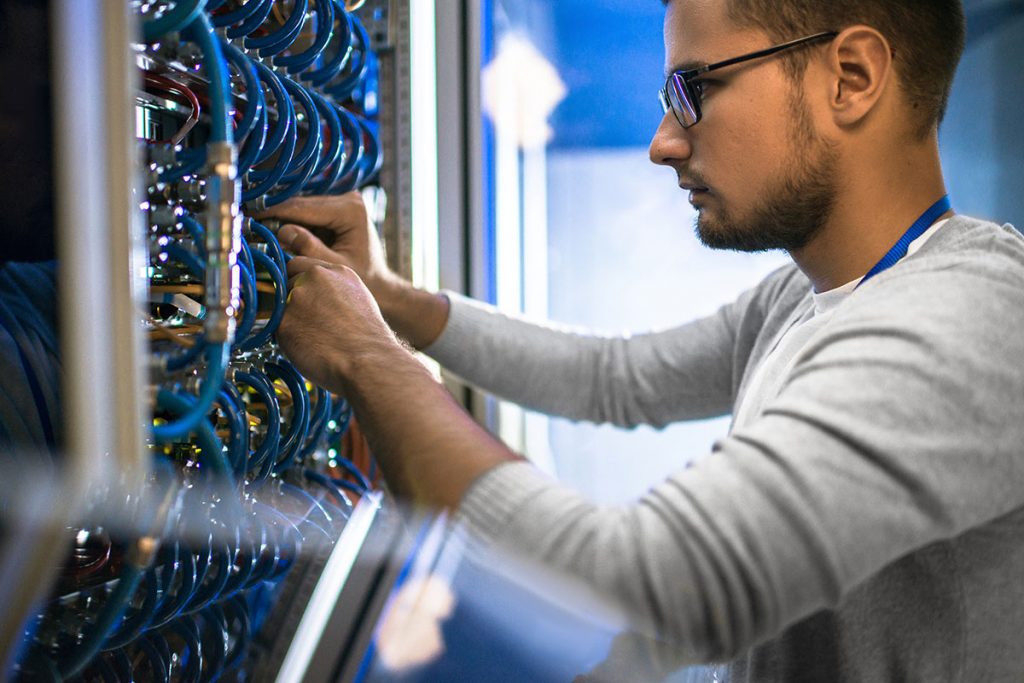
There are different systems based on the PROFIBUS protocol specially designed for network analysis. These systems consist of hardware that connects to the network and software that is controlled from a PC, allowing the cabling to be analyzed and the signals within the network to be measured.
The use of these solutions to analyze PROFIBUS networks facilitates the detection of common problems such as noise, interference, voltage drops, termination issues, wave reflections or even possible cable breaks or wiring problems.
What are the benefits of using PROFIBUS?
By using this protocol, a series of very interesting advantages are obtained, among which we can highlight:
Improved communications
PROFIBUS enables fast and reliable communication between the different devices connected to an industrial network. It is ideal for ensuring real-time data exchange and having precise control over all industrial processes.
Flexibility and scalability
It is a system that adapts to different application requirements and can grow according to the needs of the industry at any time.
For example, it is possible to connect a wide variety of devices and systems quickly and easily to ensure the integration of different components and the expansion of the network whenever necessary.
Perform advanced diagnostics
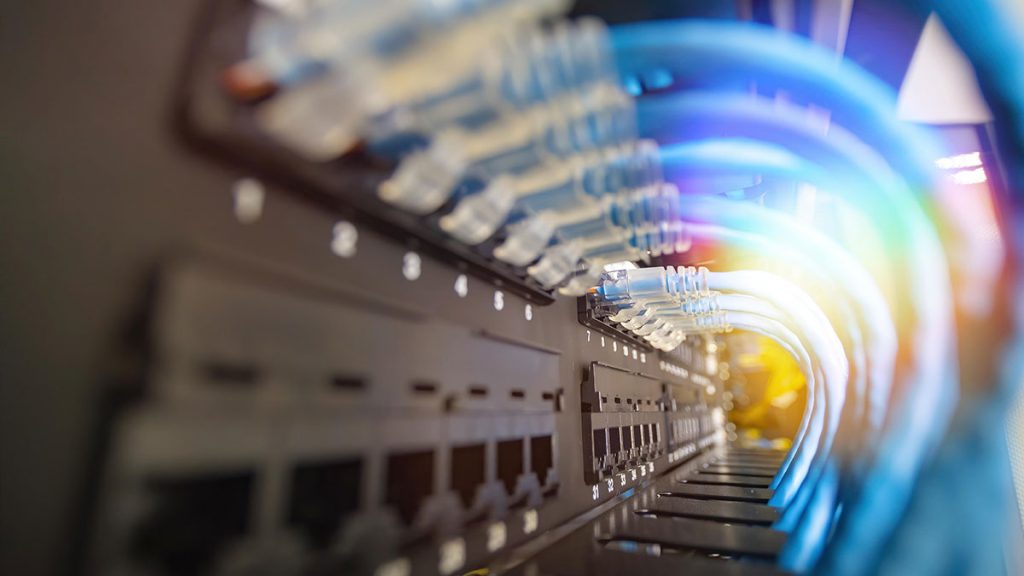
It features self-diagnosis and connection diagnostics functions to constantly monitor the status of network devices and enable rapid identification of potential problems or failures (helping to reduce downtime and improve overall process efficiency).
Compatibility with different transmission media
It is a protocol that is highly compatible with different transmission media, such as copper cables, fiber optics, and wireless communication. This allows adapting the network to the specific needs of the application and provides flexibility in various industrial environments.
Market standard
PROFIBUS is one of the most popular industrial communication protocols on the market, which is why there is a wide range of devices and systems that are compatible with it. When acquiring a new machine, device, or system, it is easy to find models that use this protocol.
In addition, as it is a market standard, it is easier to obtain technical support from suppliers, distributors, and other operators.
The PROFIBUS protocol is used in countless machines and industrial systems to ensure faster, safer, and more efficient communication.
Don’t hesitate to contact us to receive personalized advice tailored to the specific characteristics and needs of your business.