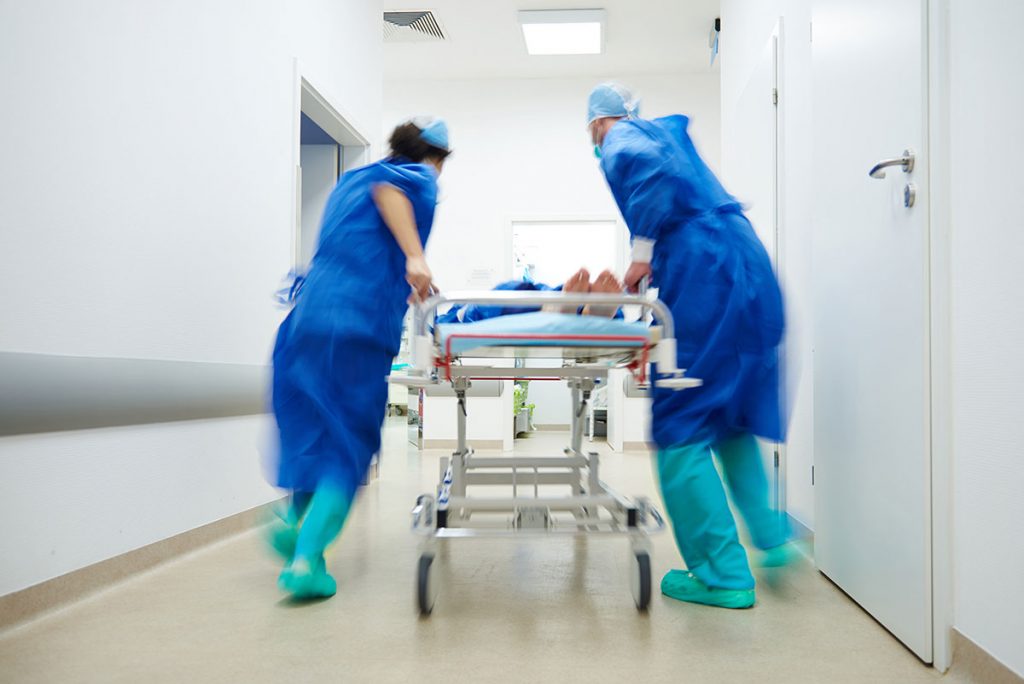
Companies in the healthcare sector must implement the necessary protocols and measures to guarantee the safety of their workers and patients, eliminating the risks of accidents associated with their daily activities. Hospital security is a priority issue for the sector and is essential to ensure the proper functioning of this type of institution or company in an environment of maximum protection and comfort.
Companies in the sector invest in automation and hospital security systems to minimize and eliminate potential risks, relying on technology as a tool to achieve this.
Contenidos
What Is Hospital Security
Hospital security is a concept that defines the condition that guarantees the safety and protection of workers, patients, infrastructure, equipment, and visitors in a hospital or healthcare center. Security in this type of facility aims to minimize the risks to which people and infrastructure are exposed in daily activities, creating a safe environment where medical and healthcare practices can be carried out to treat and improve patients’ health.
In a hospital, there are numerous threats that can create risk situations for patients’ health and physical condition, such as fires, unauthorized access to potentially dangerous areas (X-ray areas, radiation, medication and drug storage, gas tanks, etc.).
Hospital security must have the necessary resources, systems, policies, and tools to address all these risks, thereby increasing the level of protection so that professionals, patients, and visitors can remain safe.
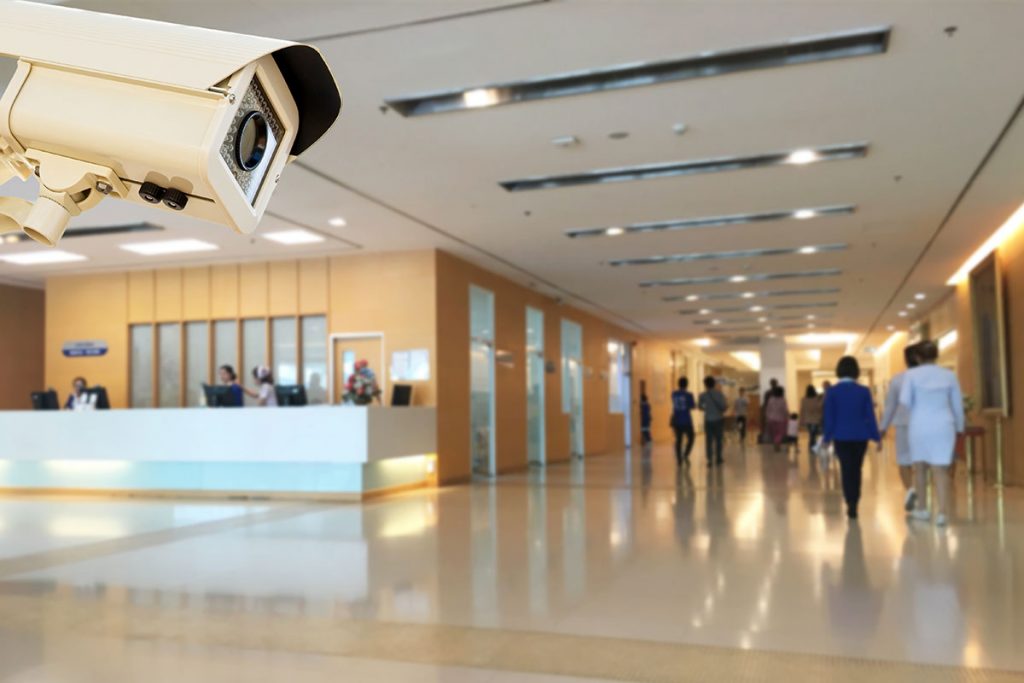
Characteristics of Hospital Security
Hospital security is based on several fundamental characteristics that encompass all the risks related to its activity, both internally and externally.
Security in Relation to Violence
The activity within a hospital, where there is a constant flow of people, creates situations of risk of violence that must be taken into account in order to adopt the necessary measures to prevent them.
For example, it is common for situations of maximum tension to occur in emergency areas, which can lead to violent outbursts when injured people or victims of aggression arrive. The presence of people who have experienced conflicts is common in this type of service, making it necessary to have a good access control and security system to prevent tense or even violent situations from arising in the hospital environment.
It is also necessary to have an appropriate action and response system in place for possible incidents between patients and healthcare staff or visitors, in order to act immediately and reduce the likelihood of such situations occurring.
Patient Safety
The main objective of a hospital is to treat patients, so their safety must be a priority at all times.
Patient safety is one of the pillars within a hospital security system, which includes special policies and mechanisms to guarantee their protection.
Management of Potential Disasters and Emergencies
This characteristic of hospital security refers to the protection of systems, equipment, infrastructure, and people when serious situations or disasters occur, such as fires, floods, power outages, and similar events.
In such situations, the hospital must have the necessary resources to continue its operations in a secure environment for patients and staff, ensuring that the day-to-day activity of the center is not affected.
This aspect of hospital security is extremely important because, in these types of situations, a hospital’s core tasks may be interrupted (surgeries, radiological treatments, tests, etc.).