How a Queue Management System Works
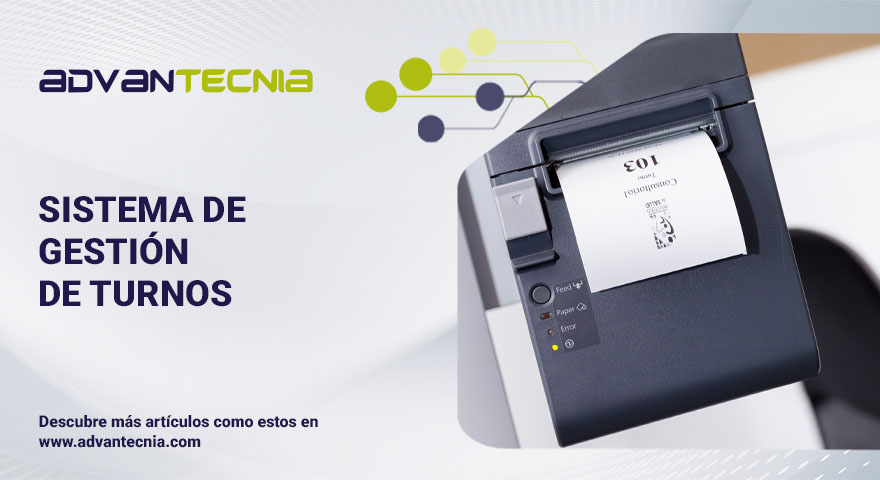
The operation of a queue management system is based on software that is responsible for automatically registering entries. Through an app, website, or specific device, the user can request an appointment within the dates and times offered by the system, which assigns an appointment number so it can be identified when attending a consultation, pharmacy, or business.
The software manages queues automatically, hiding appointments that have already been registered so they are not duplicated. In addition, it incorporates other options such as managing queues so that once a user has been served, the system moves on to the next one, assigning each appointment to a specific staff member, allowing appointments to be forced outside normal hours for exceptional cases, etc.

What Are the Advantages of Using a Queue Management System in Your Business
Implementing a queue management system is one of the best decisions a company can make to optimize customer service and avoid problems related to overcrowding at sales and service points.
In some sectors, such as regulated industries (healthcare companies, pharmaceutical companies, etc.), queue management systems have become indispensable tools for providing high-quality, well-organized service.
The main advantages of using a queue management system in a company are:
Improves service quality
With a good queue management system in a company, the perceived waiting time for customers or patients is reduced, as they can check at all times their position in the queue and approximately predict when their turn will be.
These organizational elements project the image of a professional and well-organized service, which has a strong impact on users, customers, and patients.
Makes Employees’ Work Easier
Employees in a business adapt easily to a queue management system, as it greatly facilitates their work. Among the different advantages this tool provides to workers are:
-
It avoids the need to manage queues manually, allowing the software to handle all the work automatically.
-
It eliminates the need to intervene in potential disputes or incidents between customers regarding their service turn.
-
The stressful moments when customer service staff are approached by multiple clients simultaneously disappear.
-
It makes it easier to combine other tasks with customer service.
-
It is easier for employees to adjust and comply with their break times (for example, breakfast).
-
It facilitates collaborative work by distributing service tasks evenly among different employees.
Provides Valuable Information
A very interesting feature of this type of software is the ability to store data that can later be consulted and analyzed to obtain useful information for the business.
For example, it is possible to identify which times of day or week have higher attendance, or which employees have had higher performance.