Contenidos
What is VoIP and how does it work?
Communication has become one of the fundamental pillars of our society, especially in the healthcare sector, where fluid and secure communication between patients, healthcare personnel, and hospitals is essential to ensure proper patient care. In this context, VoIP calls, which stands for Voice Over Internet Protocol, have emerged as one of the most prominent innovations in the way we communicate.
VoIP Calls, what are they?
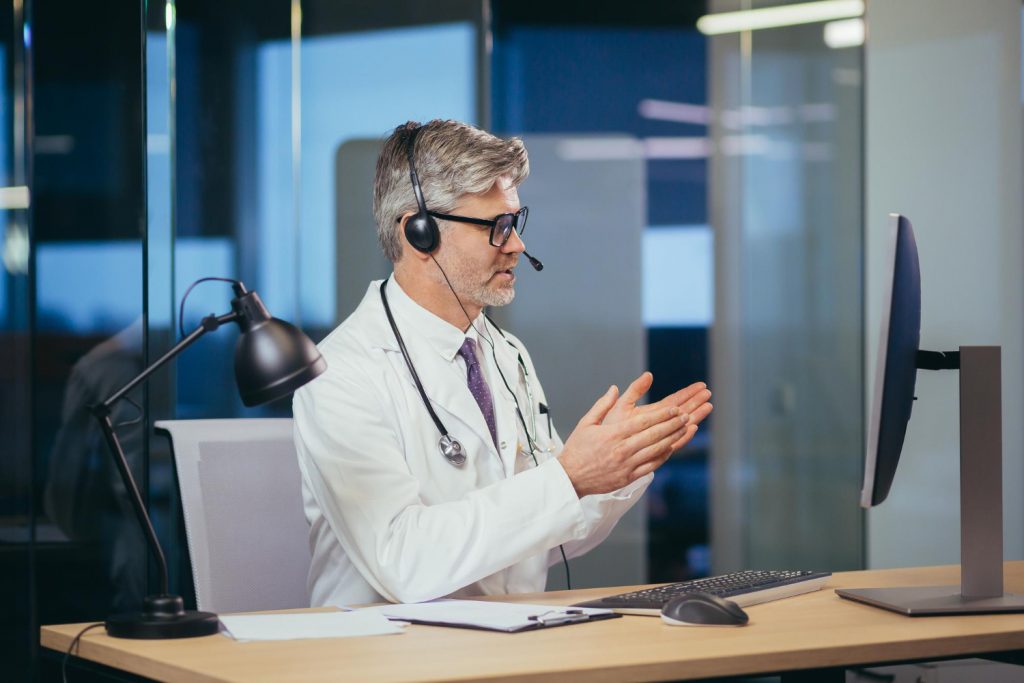
VoIP is a technology that enables voice transmission over data networks, which, instead of using traditional telephone lines, leverages the internet infrastructure to make and receive calls.
VoIP calls, with their simple and efficient operation, are becoming increasingly popular due to their numerous benefits. It is estimated that VoIP calls are experiencing an impressive annual growth rate of over 10%.
But how do these calls work? The voice over internet protocol (VoIP) operates similarly to other types of data transmitted over the internet, such as email.
Voice is transformed into digital signals, known as data packets, using codecs, and sent through an IP network (internet protocol). These VoIP packets can be transmitted through various networks compatible with VoIP, including local area networks (LAN). Once they reach the receiver, data packets turn into sound, allowing communication between the two parties.
This solution allows calls to be made from a wide range of devices, such as computers, VoIP phones, or other connected devices. Additionally, the VoIP technology also allows for calls to traditional phones, enhancing the flexibility and convenience of this communication system.
Characteristics and functions of VoIP phones
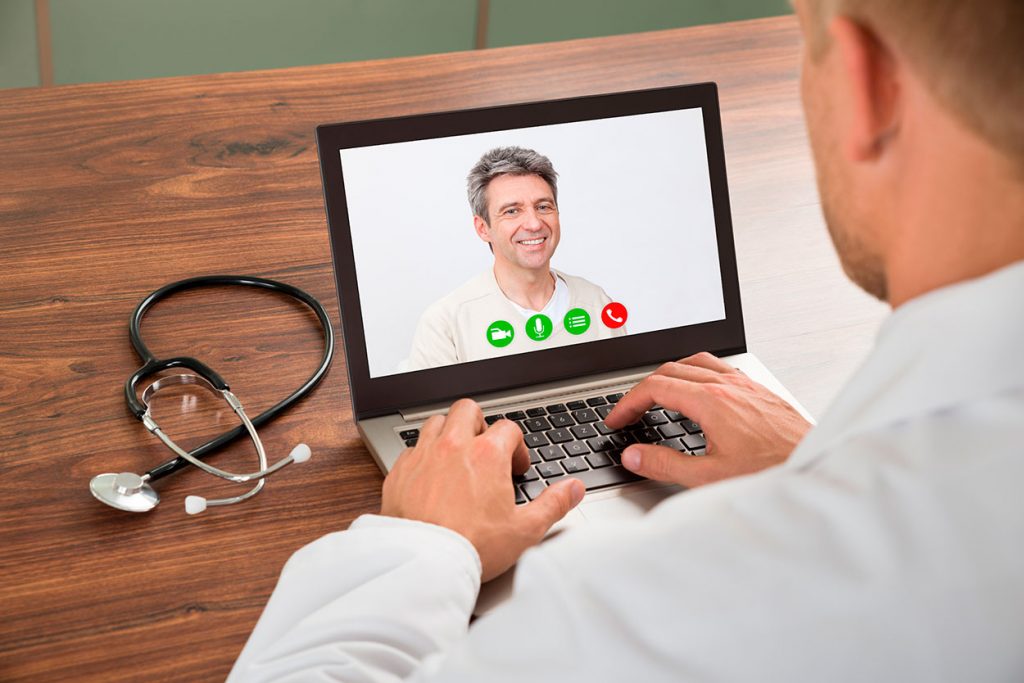
VoIP phones, also known as IP phones, are devices specifically designed to use VoIP technology. These phones have a set of characteristics and functions that make them unique:
1. Audio quality
One of the most notable aspects of these devices is their audio quality. Thanks to the digitalization of voice, and the transmission over the internet, VoIP calls tend to offer comparable, and even superior, quality to traditional telephone calls.
2. Portability
VoIP phones can be taken anywhere with an internet connection and used to make calls without issues.
3. Advanced Features
These phones often come with a wide range of advanced features, including call identification, call forwarding, conference calls, call recording, and more. These features can help improve productivity and efficiency in the healthcare sector, as well as in other contexts.
4. Integration with other systems
VoIP phones are compatible with business management systems and communication software, making it easier to integrate with other tools and applications used in daily work.
If you need more information about the different types of hospital systems for communication and assistance, feel free to contact us. At Advantecnia, our great team of professionals will be happy to resolve all your doubts and help you improve communication management in your hospital.
Types of VoIP Phones / SIP Phones
There are 3 main types of VoIP phones:
Software-based SIP Phones
These are programs that take advantage of the microphone and speakers of a computer, or even a headset connected to it, to make and receive phone calls through SIP or VoIP protocols.
Hardware-based VoIP Phones
These devices have the appearance and functionality of a traditional phone. However, they connect directly to the data network instead of using a traditional phone line.
Some of these phones also come with a mini hub integrated that allows them to share the network connection with the computer, eliminating the need for an additional network point.
Analog Phone with ATA Adapter
If you want to use a traditional analog phone in a VoIP telephone system, it is necessary to use an ATA adapter. This device allows you to connect the Ethernet cable to the adapter and then connect the phone to the adapter.
In this way, the conventional phone integrates into the VoIP telephone system as a SIP phone, allowing you to make and receive calls through VoIP technology.

Advantages of VoIP Phones
Now that we know what VoIP calls are, it is important to highlight the advantages that this technology offers, especially in the healthcare sector, where effective communication can make a difference in patient care and medical information management.
-
Cost
One of the most obvious advantages of these types of phones is their cost. Compared to traditional telephone lines, VoIP is usually more economical. This is especially beneficial for hospitals seeking to reduce their expenses without compromising the quality of care they provide to their patients.
-
Remote Access
They allow healthcare professionals to access communication systems from anywhere with an internet connection. This is essential for doctors and nurses who need to be available for consultations and urgent medical decisions, even when they are not at the hospital or clinic.
3. Data Integration
Data integration is crucial in the healthcare sector, where patient information needs to be available quickly and accurately.
VoIP phones can integrate with electronic medical record management systems and other healthcare information systems, facilitating the consultation and updating of patient information during calls.
4. Multichannel Communication
This means that healthcare professionals can use not only their voice but also video calls and instant messaging for more effective communication with their colleagues and patients.
5. Data Security
The security of patient data is vital in the healthcare sector. VoIP systems allow for the implementation of advanced security measures, such as end-to-end encryption, to protect the confidentiality of medical information.
VoIP calls have revolutionized the way we communicate, and their application in the healthcare sector has great potential to improve patient care and medical information management.
If you want to learn more about the different types of PROFIBUS or if you’re looking for ways to improve communication in your company, at Advantecnia, as experts in healthcare communication systems, we would be happy to help you find the solution that best fits the needs of your healthcare center.