
Technology has revolutionized people’s daily lives in one way or another. It has expanded into fields that, just a few decades ago, would have seemed impossible. In the case of medicine, technology is applied in many areas, all of them aimed at improving patient care. That is why it is very common to hear about the benefits of telemedicine.
Although it also has some disadvantages, in general terms it is having positive effects on patients. However, a proper implementation requires a change in habits in the way healthcare professionals work.
Contenidos
What are the advantages of telemedicine?
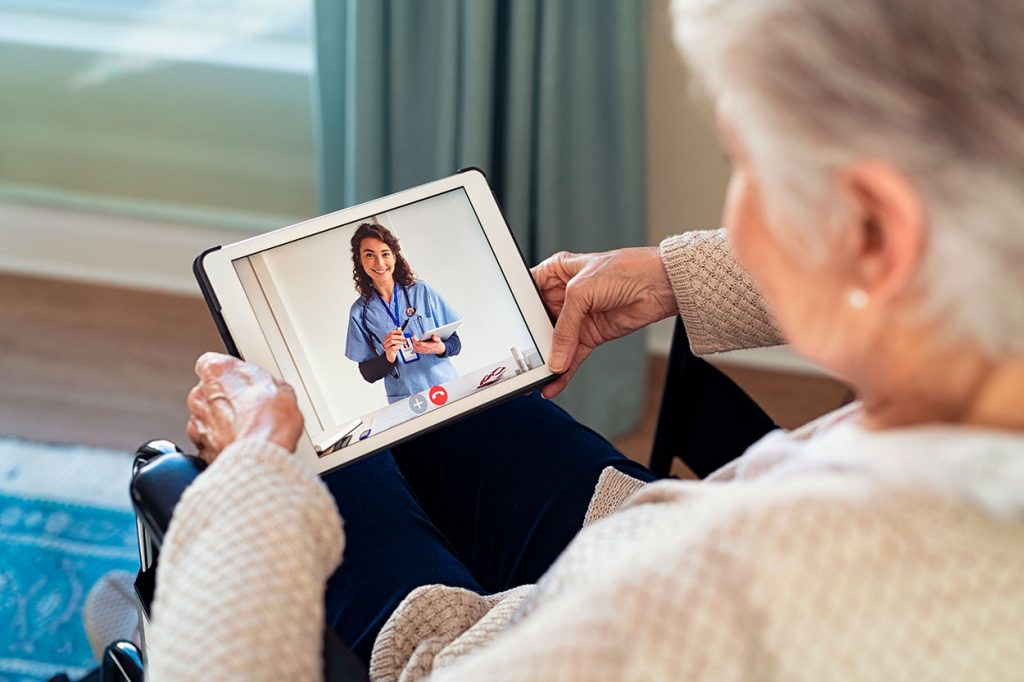
Telemedicine is a practice that combines information and communication technologies to provide healthcare services remotely. This involves the use of videoconferencing, mobile applications, VoIP calls, and any other system that allows doctors to evaluate, diagnose, and treat patients remotely.
Improves access to medical care
Telemedicine helps overcome geographical barriers and is of great assistance to people who live in small communities that lack a medical office or where it only operates a few days a week.
Through teleconsultations, patients can talk to their doctor without having to travel. This is especially important for older adults, who often live in more remote areas and may not have a vehicle to travel to larger towns or cities to visit their doctor.
For healthcare professionals, this is also an advantage, as they can conduct consultations while saving time and costs associated with travel.
Continuous care and remote follow-up
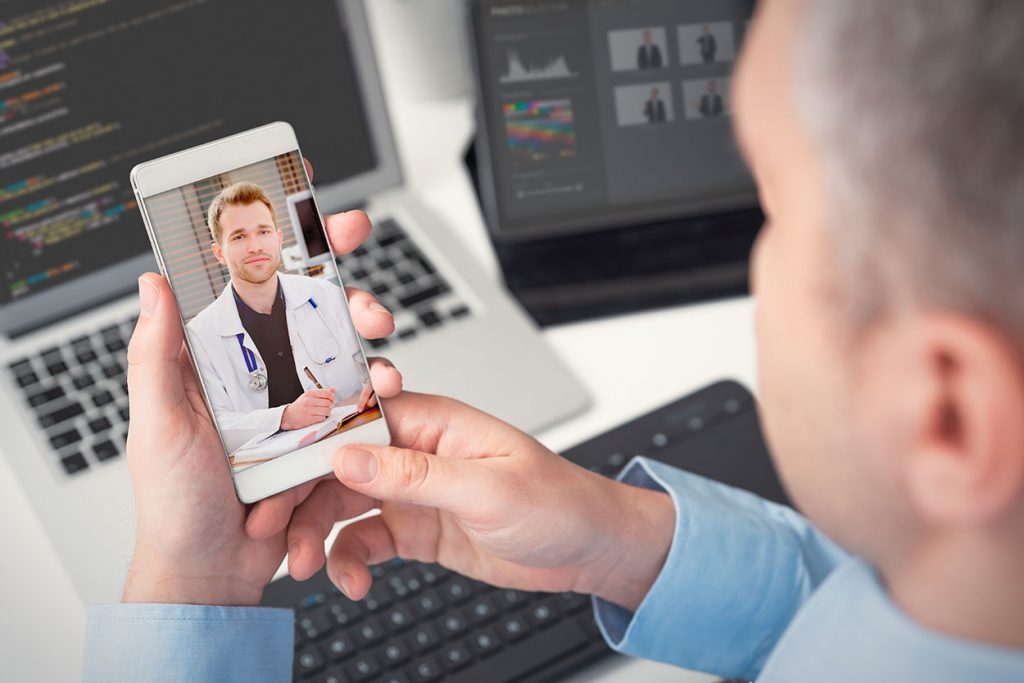
In cases of patients who have already been diagnosed and have an established treatment plan, one of the advantages of telemedicine is that they can attend follow-up appointments without needing to go to the clinic.
For example, someone who has just undergone appendicitis surgery and will be on medical leave for a few weeks can renew their leave without having to wait at the doctor’s office.
Operational efficiency
With telemedicine, waiting times are reduced and patient care becomes significantly faster.
For patients, this means saving a considerable amount of time that would otherwise be spent in waiting rooms at health centers and hospitals.
Improves data management and medical records
Communication through digital channels makes it easier to store shared information between doctors and patients, as well as to record health-related data.
This makes it possible to provide more coordinated care when a patient needs to see different specialists, avoiding duplicated tests and treatments.
Better treatment adherence
Telemedicine services go beyond video consultations. They allow sending reminders to patients about medical tests they need to undergo or treatments they need to follow.
In most cases, this results in better and more consistent follow-up of prescribed treatments.
What are the disadvantages of telemedicine?
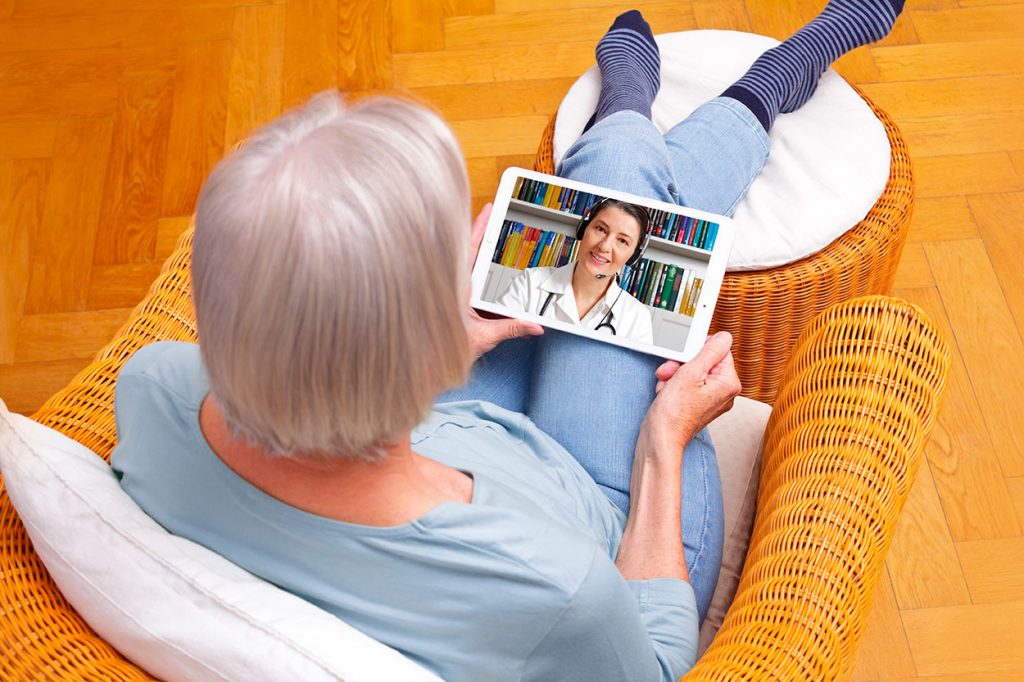
Although this new form of healthcare delivery has many benefits, it also involves some drawbacks:
Limitations in physical examination
The lack of physical contact between doctor and patient makes it difficult to perform certain examinations. In this sense, it is important to bear in mind that for some medical assessments it is essential to carry out palpation of specific areas of the body or to measure vital signs.
Unequal access to technology
Although connectivity has expanded to most of the population, there are still people who do not have access to technology or do not know how to use it at a sufficient level to access telemedicine.
In the case of rural areas in depopulated regions of Spain, where telemedicine could be especially useful, it has not yet been fully developed because many of these areas lack broadband internet access.
Connection losses
Even in cases where technology is available, a temporary loss of connection or a device failure may prevent the consultation from being carried out with the desired quality.
Risk to data protection
Health data is especially sensitive. If adequate protection is not applied, this information may end up in the hands of cybercriminals, which would represent a breach of patient privacy.
How does this change affect medical professionals?
For medical professionals, the widespread use of technology in their daily work has meant the need to receive training in order to use it efficiently.
It has changed the dynamics of medical consultations and the way they interact with their patients. Now that face-to-face interaction is not always present, good communication is more important than ever. On the other hand, telemedicine provides professionals with flexibility, allowing them to manage their working time more effectively and care for patients regardless of where they are located.
It also helps to achieve better follow-up of patients undergoing treatment and to improve the management of chronic or long-term diseases.
Conclusions
Telemedicine has radically transformed healthcare and will continue to do so in the coming years. This has a profound impact on both healthcare professionals and patients.
Although there are still some obstacles to overcome and challenges to address, the advantages of telemedicine now outweigh the disadvantages, which allows us to state that it is a field that will continue to develop in the medium and long term. If your healthcare center does not want to fall behind in this area, you can get in touch with our team of professionals to benefit from the latest technology.